Checking Out Various Types of Interlocking Pavers: Which One is Right for You?
Introduction
When it comes to enhancing exterior rooms, few products equal the flexibility and visual charm of interlacing pavers. Whether you're aiming to create a stunning patio area, a smooth driveway, or an inviting walkway, these sturdy, interlocking stones use a wide variety of alternatives. However with numerous kinds offered on the market today, how do you select the right one? In this write-up, "Discovering Various Sorts Of Interlocking Pavers: Which One is Right for You?", we'll dive deep into the globe of interlocking pavers, discussing their various types, benefits, and installment methods while ensuring you have all the details required to make a notified decision.
What are Interlocking Pavers?
Interlocking pavers are specific pieces of hardscape material that mesh in a certain fashion-- usually without the requirement for mortar. They are crafted from different products such as concrete, block, and natural rock.
Why Select Interlocking Pavers?
- Durability: Their durable building and construction makes them excellent for high-traffic areas.
- Aesthetic Appeal: They can be found in numerous designs and colors.
- Ease of Installation: Numerous house owners go with do it yourself paving installment many thanks to their uncomplicated nature.
- Versatility: Suitable for patios, driveways, walkways, and pool decks.
Benefits of Using Interlocking Pavers
- Cost-effective: Compared to standard concrete slabs.
- Low Maintenance: Basic cleaning frequently suffices.
- Eco-friendly Options: Some selections permit water drainage.
Types of Interlocking Pavers
As we embark on "Exploring Different Sorts Of Interlocking Pavers: Which One is Right for You?", allow's classify the primary types:
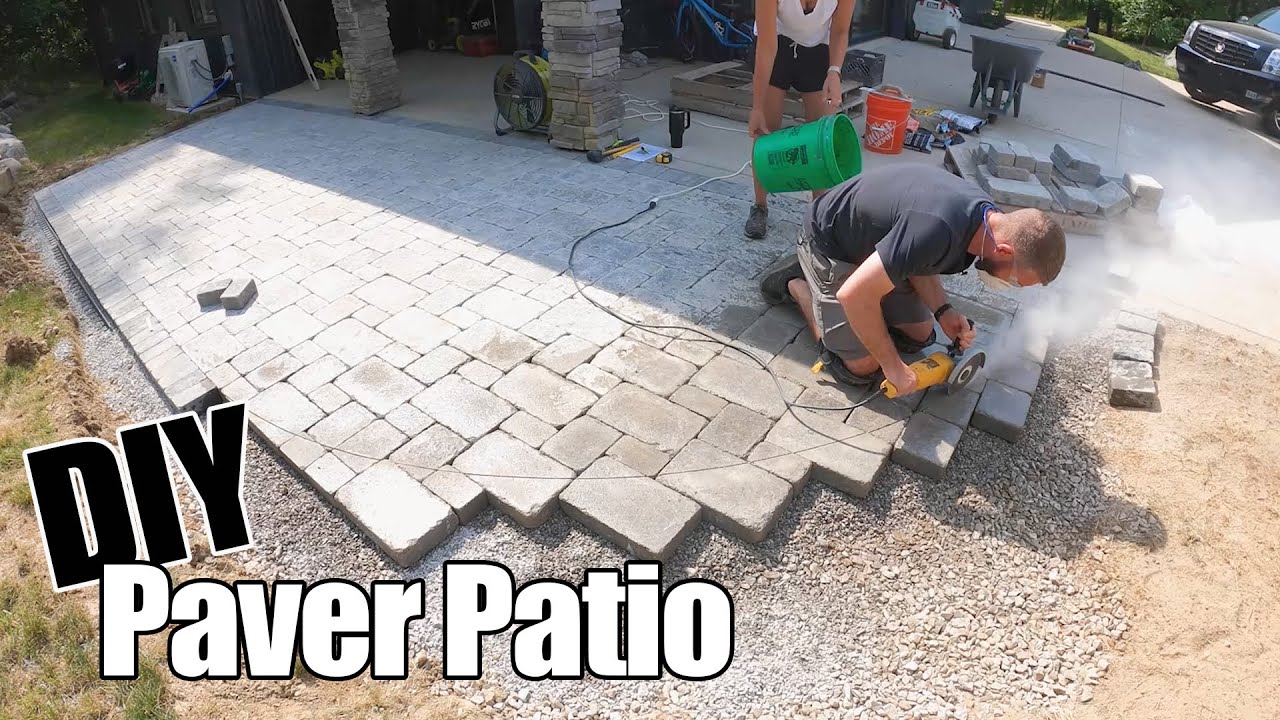
1. Concrete Interlocking Pavers
Overview
Concrete pavers are made from a mix of concrete and aggregates built right into blocks. They can be found in numerous shapes and sizes.
Advantages
- Highly customizable
- Cost-effective
- Various structures available
Disadvantages
- Can be susceptible to breaking gradually if not effectively installed.
2. Clay Block Pavers
Overview
Clay brick pavers are made from natural clay that has actually been discharged in kilns till hardened.
Advantages
- Timeless appeal
- Naturally resistant to fading
- Environmentally friendly because of their natural materials
Disadvantages
- Higher expense contrasted to concrete options
3. Natural Stone Pavers
Overview
Natural rock pavers include materials like granite, limestone, or slate.
Advantages
- Unique appearance; no 2 rocks are alike
- Extremely long lasting and long-lasting
Disadvantages
- Often extra costly than various other types
4. Permeable Paving Stones
permeable interlocking pavers Contra CostaOverview
Permeable pavers permit water to permeate with them into the ground below.
Advantages
- Reduces runoff
- Helps handle stormwater effectively
Disadvantages
- May need even more maintenance to prevent clogging
Choosing the Right Type of Interlocking Paver for Your Project
When considering your task demands, ask yourself:
What is your key use?
Whether it's a driveway or patio can affect your selection significantly.
What's your budget?
Some types can be extra pricey than others-- recognizing your spending plan helps narrow down choices quickly!
How crucial is aesthetics?
If you want something one-of-a-kind or themed, going with all-natural stone could fit your style better than standard concrete options.
Paving Setup Refine Overview
Installing interlocking pavers entails numerous steps:
- Planning and Design
- Create a layout that matches your space.
- Site Preparation
- Excavate the area where you prepare to lay down the pavers.
- Base Product Installation
- A strong base is vital; typically crushed stone or crushed rock is used.
- Laying Pavers
- This action requires precision-- ensuring placement and spacing.
- Compacting
- Use a plate compactor to establish the pavers securely in place.
- Joint Filling
- Fill joints with sand or polymeric sand for stability.
- Sealing (optional)
- Sealing can enhance color and shield versus stains.
Hiring a Professional vs DIY Installation
While many property owners fearlessly deal with DIY jobs themselves, hiring a professional paver installer can conserve time and make certain quality outcomes:
Advantages of Working with Experts:
- Expertise in Product Selection
- Efficient Installment Time
- Warranty on Workmanship
Disadvantages:
- Higher general cost
- Less personal participation in design choices
FAQs About Interlocking Pavers
1. How much time do interlacing pavers last?
Interlocking pavers can last over 25 years with proper maintenance!
2. Are interlocking pavers slippery when wet?
Not always! Lots of makers provide textured surfaces specifically created for grip also when wet.
3. Can I install interlocking pavers myself?
Yes! With some planning and initiative, numerous property owners successfully finish their very own paving installation projects.
4. Do I require to seal my interlocking paver driveway?
Sealing isn't obligatory yet extremely recommended as it secures versus discolorations and enhances durability.
5. What upkeep do interlacing pavers require?
Regular sweeping and occasional pressure cleaning will certainly maintain them looking great!
6. Can I blend different types of interlacing paver materials?
Absolutely! Mixing products can create unique layouts yet make certain compatibility regarding size and shape.
Conclusion
In conclusion, "Exploring Different Kinds Of Interlocking Pavers: Which One is Right for You?" discloses that selecting the right type hinges on a number of variables including use circumstances, budget constraints, aesthetics choices, and whether you favor specialist aid or DIY setup techniques! By understanding each alternative's benefits and downsides alongside correctly carrying out leading setup methods-- your outdoor area can transform into a remarkable functional room that excites guests while including worth to your home!